April 2026 Part 2: Sichuan Fermented Condiments + Recipes Using Them

April 24, 2026

April 2026 Part 2: Sichuan Fermented Condiments + Recipes Using Them

Ferments for Flavor

Greetings, Friends of The Mala Market, 


Whether you eat fermented foods because they are so good for you or because they taste so good—or both!—the addition of a Sichuan pickled vegetable or cube of fermented tofu can transform a dish from meh to marvelous.

Fortunately, some of our best fermented condiments are back in stock with the arrival of our latest container shipment. 

  • Zhacai: a preserved mustard tuber (top left) that you can cook with (see new recipe below!) or eat straight out of the packet as a condiment for noodles or rice. Our new shipment is our favorite zhacai flavor: mildly spicy
  • Furu: fermented white tofu, both a condiment and cooking ingredient
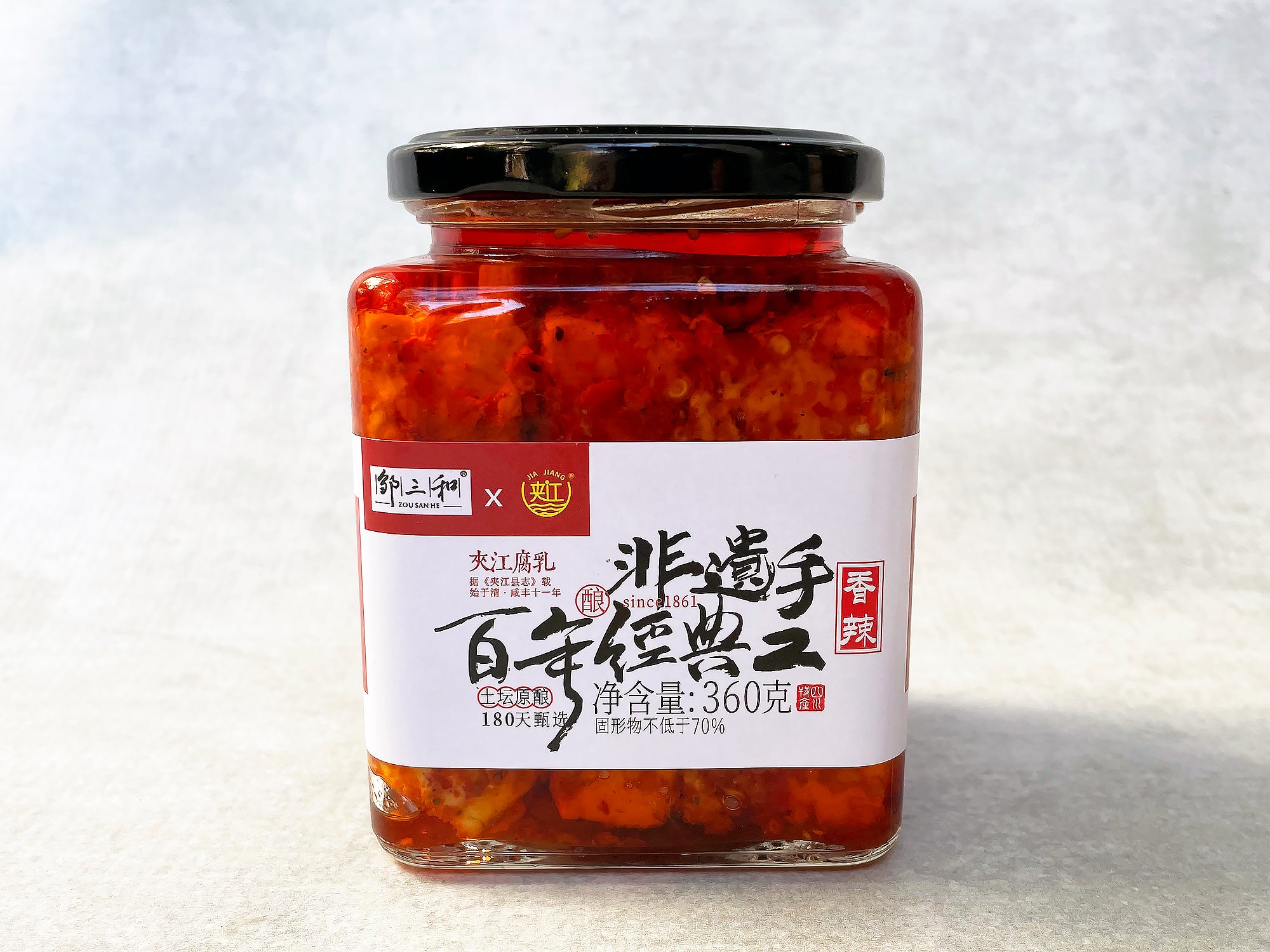
  • Spicy furu: fermented white tofu in a fragrant-hot chili oil. (FC and I always eat a cube of this with rice on the side of a tomato-egg stir-fry.)

Also back in stock: Guangdong he fen noodles for making chow fun, and aged madarin/tangerine peel, at a particularly fragrant and vibrant young age.

Flavor, flavor and more flavor! 

Enjoy,
🌶 Taylor & Fongchong 🌶


P.S. ICYMI: Earlier this month we kicked off a new series on our recipe site and at the store that takes a deep dive into Sichuan's fuhe wei, or complex flavors, the 20-plus official flavor combinations that make Sichuan food so endlessly diverse and fascinating. The first fuhe wei we're exploring is, of course, the most iconic, and our store namesake, mala wei—numbing-and-spicy flavor. Check out the mala wei page and recipes here. And shop ingredients to make mala wei while they are still on sale

Next month we'll be tackling jia chang wei, or homestyle flavor. Cook along with us and get to really know Sichuan cuisine. 
 

Wujiang Zhacai (Preserved Mustard Tuber), Set of 5
$10.00
View
Stir-Fried Lotus Root With Suancai

Stir-Fried Lotus Root With Suancai

Looking for something new to do with zhacai, suancai or yacai (the preserved vegetables seen in photo at top, left to right)? Stir-fry it with a vegetable!

Here our blog editor, Georgia Freedman, stir-fries lotus root with homemade suancai, as she learned to do in Yunnan Province.

"I can’t imagine anyone not loving lotus root," Georgia writes. "Crunchy and mild with a faint bit of vegetal sweetness, it’s a natural crowd pleaser. It’s also extremely versatile, able to take on the flavors of the ingredients it’s cooked with and just as good simmered in a soup or lightly pickled in a cold dish as it is seared in a stir-fry.

"Lotus root became a go-to ingredient in my kitchen when I was living in Kunming, and I ordered it out regularly, too.... My favorite lotus root dish, by far, was the stir-fried lotus root with pickles (suāncài chǎo ǒu, 酸菜炒藕) that I ordered at Dragon Phoenix Restaurant, a Hui minority hole-in-the-wall restaurant in Shaxi....

"This dish is traditionally made with Yunnan-style suancai (a traditional pickle made from lacto-fermented mustard greens), but these pickles are not commercially available in the U.S (or in many places outside of Yunnan, for that matter), so if you want to use them, you’ll need to make your own. The process is actually pretty simple—you can find my method here—but you do have to wait a few weeks for the pickles to ferment. 

"The good news is that other pickles are also delicious in this dish. If Southwestern Chinese pickles were arrayed on a spectrum based on their level of fermentation and depth of flavor, suancai would fall somewhere between Sichuan’s zhacai and yacai varieties. It's richer and funkier than zhacai (and lacks that pickle’s light sweetness) but less salty-funky and more sour than yacai."


Stir-Fried Soybeans With Zhacai

Stir-Fried Soybeans With Zhacai

I used Georgia's recipe to make what I had in my fridge this week: fresh soybeans (9 oz of shelled edamame I got at Trader Joe's) with zhacai (one packet, chopped), and it worked like a dream! (Just omit the chili oil and chilies, sub chicken broth and use less cooking oil, preferably making it Sichuan caiziyou.) It's also irresistible at room temperature. 

What vegetable-pickle combo will you invent? Cabbage with zhacai? Fresh corn with yacai? Let us know! 
 

Jiajiang Mildly Spicy Fermented Tofu (Fermented Bean Curd, Furu)
$16.00
View
Jiajiang Fragrant-Hot Fermented Tofu (Fermented Bean Curd, Furu)
$16.00
View
Guangdong Wide Rice Noodles (Ho Fun, He Fen for Chow Fun)
$19.00
View
Aged Mandarin Peel (Sun-Dried Tangerine Peel, Xinhui Chenpi)
$14.00
View
Fuqi feipian in Chengdu

Mala Wei in Cold Dishes

Earlier in the month we sent you a recipe that demonstrates how to use the mala flavor in cold dishes: the iconic fuqi feipian, a dish of beef shank and offal in a hot and tingly chili oil. 

I later found this photo in my archives of an exquisite fuqi feipian we had at the Nian Feng restaurant in Chengdu last year. The fancy-restaurant version uses an abundance of chili oil, and if you want to impress you can make your own chili oil to do so. Our recipe by Xueci Cheng is a version for home cooks with a much more reasonable amount of chili oil dressing. 

In either case, remember that this oil is meant to be only moderately spicy but noticeably numbing, which is the mala wei and Sichuan way. 

Mala wei ingredients on sale for a short while longer: da hong pao red Sichuan pepper, er jing tiao chilies, and our own Mala Sauce for Stir-Fry and Dry Pot